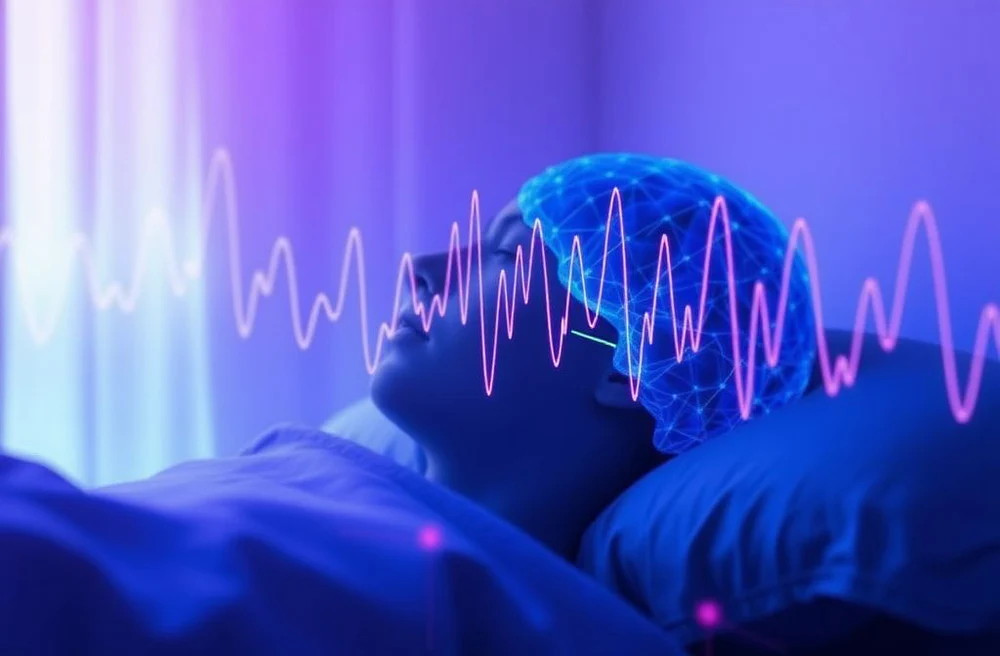
What Is REM Sleep Cycle and Why Is It Important for Your Health?
What Is the REM Sleep Cycle and Why Is It Important for Your Health? Sleep is not a uniform state where the brain simply “shuts off.” Instead, it moves through several stages in repeating cycles throughout the night. One of the most important stages is REM sleep, short for Rapid Eye Movement sleep.
Understanding REM sleep helps explain why good sleep is essential not just for feeling rested, but for memory, mood, learning, and overall physical health.
“Use our free Sleep Cycle Calculator to find your perfect bedtime instantly.”

What Is REM Sleep?
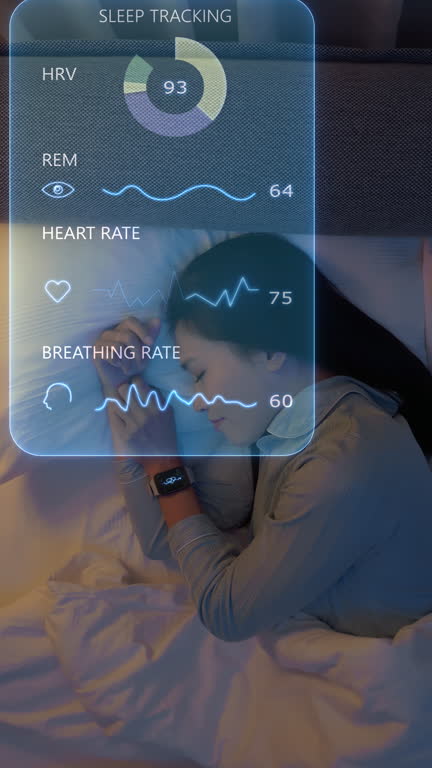
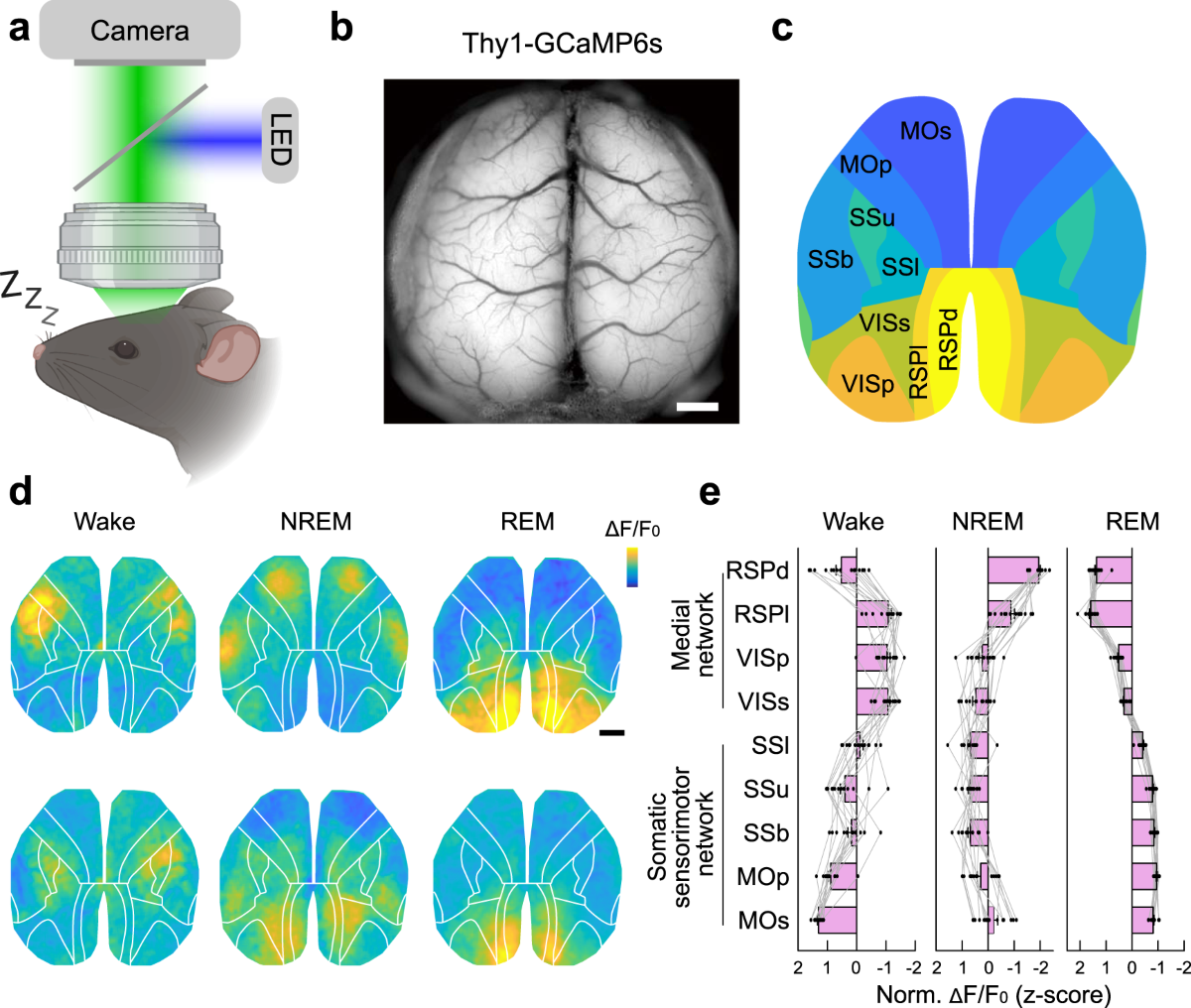
REM sleep is a unique phase of sleep where the brain becomes highly active, even though your body remains mostly still.
During this stage:
- Your eyes move rapidly under your eyelids (hence the name)
- Brain activity increases and resembles wakefulness
- Most vivid dreaming occurs
- The body experiences temporary muscle paralysis (to prevent acting out dreams)
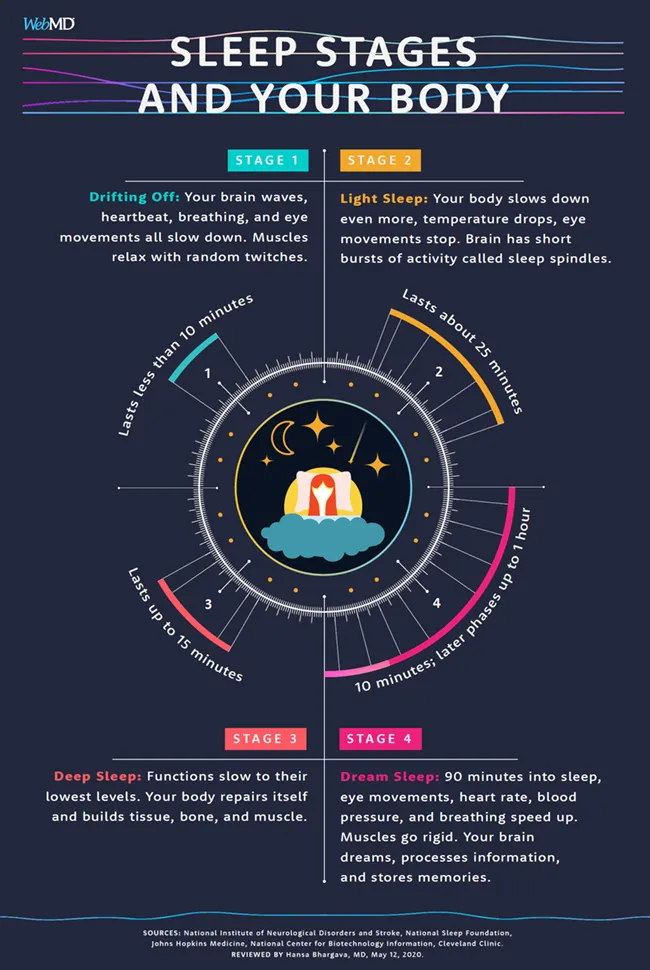
A full sleep cycle typically lasts about 90 minutes, and REM sleep becomes longer in each cycle as the night progresses.

The Sleep Cycle in Brief
Sleep is made up of repeating cycles that include:
- Light sleep (Stage 1 & 2): Transition from wakefulness to sleep
- Deep sleep (Stage 3): Physical restoration and healing
- REM sleep: Mental and emotional processing
You usually go through 4–6 sleep cycles per night, and REM sleep makes up about 20–25% of total sleep in healthy adults.

Why REM Sleep Is Important..?
1. Memory and Learning
During REM sleep, the brain processes and organizes information from the day. It helps:
- Strengthen long-term memory
- Improve learning ability
- Connect new information with existing knowledge
This is why sleep is especially important before exams or learning new skills.


2. Emotional Regulation
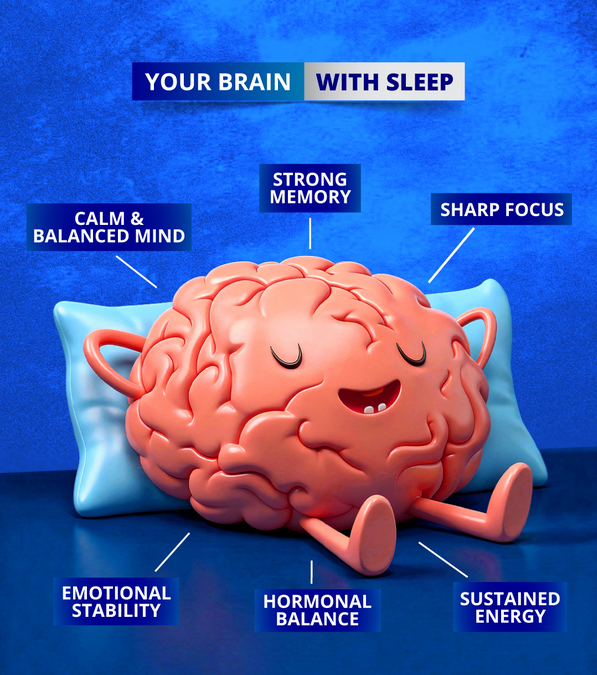
REM sleep helps regulate emotions by processing emotional experiences.
Without enough REM sleep, people may experience:
- Increased irritability
- Higher stress levels
- Difficulty managing emotions
This stage acts like overnight emotional “resetting.”
3. Brain Development and Health
REM sleep supports healthy brain function by:
- Maintaining neural connections
- Supporting creativity and problem-solving
- Helping the brain adapt to new experiences
It is especially important in children and adolescents, who spend more time in REM sleep.

4. Physical and Immune Support
Although deep sleep is most associated with physical repair, REM sleep also contributes indirectly by supporting:
- Hormonal balance
- Brain-body communication
- Overall recovery cycles
Poor REM sleep over time can weaken cognitive and physical performance.

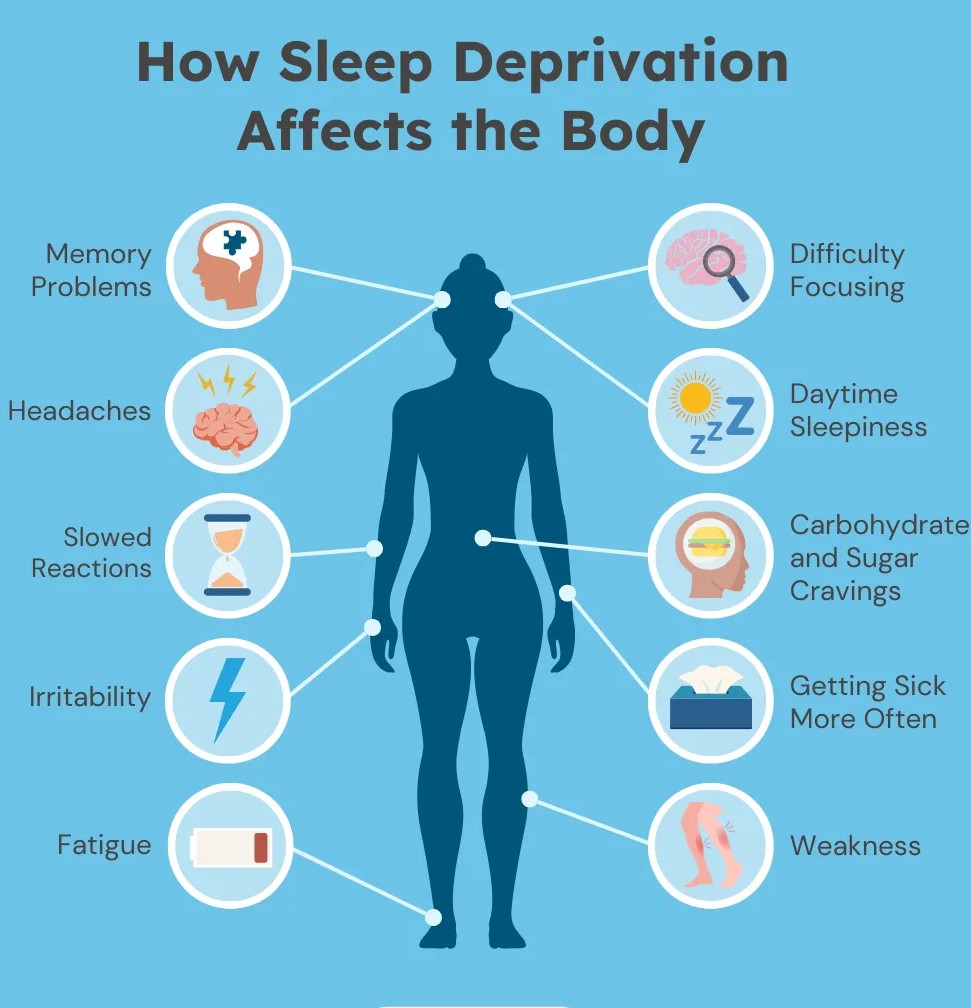
What Happens If You Don’t Get Enough REM Sleep?
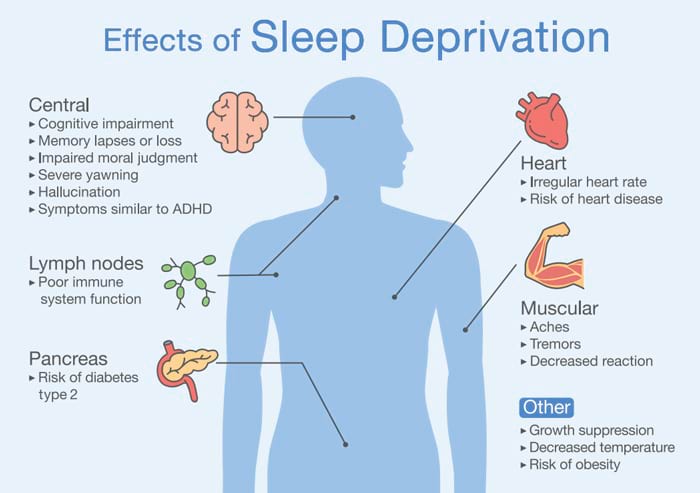
A lack of REM sleep can lead to:
- Poor concentration
- Memory problems
- Mood swings or anxiety
- Reduced ability to learn new information
- Mental fatigue
Chronic REM disruption is linked to long-term mental health issues and reduced cognitive performance.

How to Improve REM Sleep..?
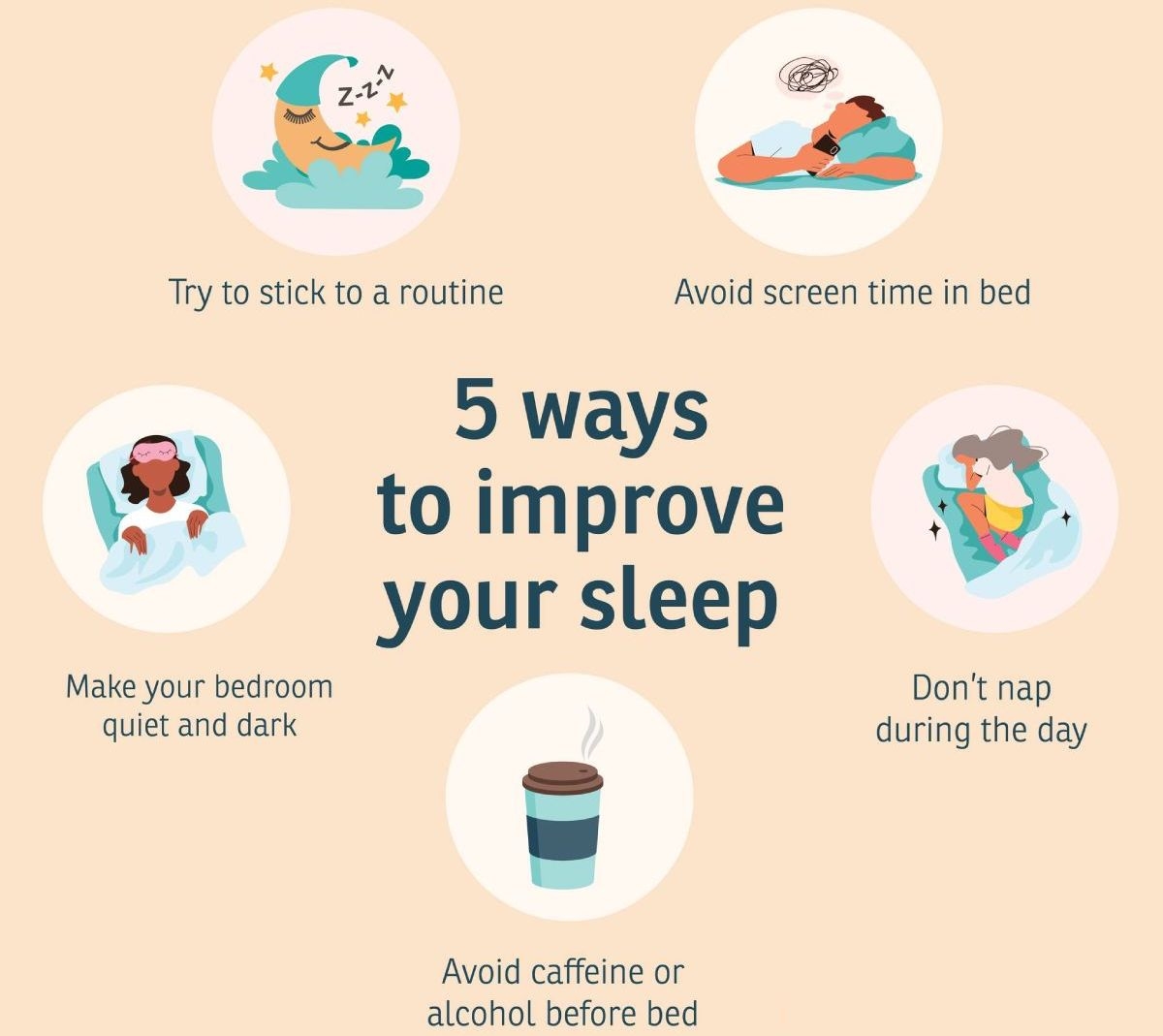
You can support healthy REM sleep by improving overall sleep quality:
- Maintain a consistent sleep schedule
- Avoid caffeine late in the day
- Limit screen time before bed
- Reduce stress through relaxation techniques
- Get enough total sleep (7–9 hours for adults)
Since REM sleep happens more in the later part of the night, cutting sleep short often reduces REM significantly.

Final Thoughts
REM sleep is essential for a healthy mind. It helps you process emotions, store memories, and maintain cognitive performance. While all stages of sleep matter, REM sleep plays a unique role in keeping your brain sharp and emotionally balanced.
Improving your sleep habits isn’t just about feeling rested—it’s about giving your brain the time it needs to function at its best.